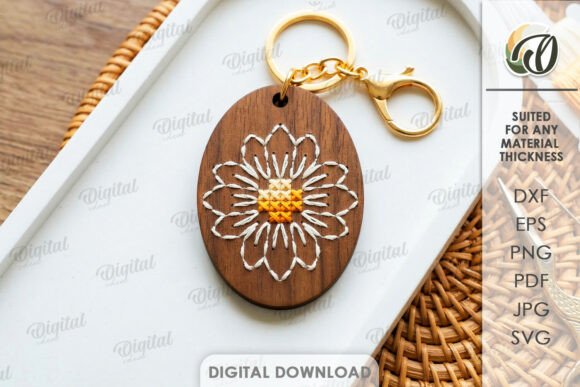
★★★☆☆3.6(360 reviews)
Embroidery Keychain Laser Cut: A Bold, Versatile Design for Craft Fairs
First Impressions and Design Mood
As an experienced embroidery designer with years of experience at craft fairs and handmade markets, the Embroidery Keychain Laser Cut immediately caught my attention. The name suggests a clean, modern aesthetic that’s both functional and decorative. From the title alone, I can sense this is a design aimed at those who appreciate precision and detail—whether for personal use or commercial production.Design Style and Visual Appeal
The Embroidery Keychain Laser Cut feels bold and decorative. Based on its title and purpose, it probably features a stylized keychain motif with intricate laser-cut elements. These types of designs often have a premium look, especially when paired with high-quality materials like felt or leather. They’re perfect for customers looking for something that says “handmade” but also has a polished, professional finish.Testing the Design in Real Products
- Tote Bags: The Embroidery Keychain Laser Cut adds a subtle yet eye-catching accent near the top handle area. It works especially well on white or light-colored canvas, making it stand out without overwhelming the bag.
- Aprons: On apron pockets or waistbands, it becomes a charming decorative element. Its structured shape fits neatly into these areas and complements both kitchen and floral themes.
- Tea Towels: As a central embroidered patch or corner design, it brings a sense of organization and style. However, due to potential fabric texture variations, thread contrast must be carefully chosen.
- Embroidered Patches: This design excels as a standalone patch. Its laser-cut edges give it a crisp finish, ideal for adding to backpacks, jackets, or denim pieces.
- Fabric Pouches & Pillow Covers: When scaled appropriately, the design becomes a strong focal point. The combination of laser-cutting and embroidery makes it feel more intentional and high-end than traditional stitching alone.
- Caps: Placing the design on the back of a cap or near the brim offers a trendy, modern look. Be cautious about curved surfaces and ensure the hoop size allows for proper tension control.
Best Chances to Sell
For maximum visibility and sales, I recommend using the Embroidery Keychain Laser Cut on smaller, giftable items such as keychains, patches, and mini pouches. These products are perfect for showcasing detailed embroidery at a glance and fit comfortably in a customer’s hand—important for impulse purchases at a booth.Clarity and Readability
One of the first things I check when evaluating a new machine embroidery design is whether it’s easy to understand at a glance. The Embroidery Keychain Laser Cut seems promising in this regard, thanks to its clear shape and likely symmetrical composition. That said, if the design includes tiny lettering or complex details, scaling it down may reduce its legibility. I always suggest creating a real mockup before mass production. Use scrap fabric and your preferred thread colors to see how the design looks in person. Especially for small shop products, the visual impact can differ dramatically between the printable mockup and the actual item.Photography for Online Listings
If you're an Etsy seller or preparing for online sales post-fair, the Embroidery Keychain Laser Cut will photograph beautifully when stitched correctly. The laser-cut elements add depth and dimension, which translates well into product photos. Make sure to capture it under different lighting conditions and against various backgrounds to highlight its versatility.Things to Watch Out For
Here are some practical considerations when working with the Embroidery Keychain Laser Cut:- Dense Stitch Areas: Check for sections with heavy coverage. Too much stitch density might cause puckering or require additional stabilizer.
- Tiny Details: If the design contains fine lines or small shapes, confirm that your embroidery machine and needles can handle them without breaking or distorting.
- Small Lettering: Avoid using the design on dark fabrics or textured surfaces if it includes text, as clarity may suffer.
- Thick Fabric or Textured Towels: Adjust settings accordingly. Thicker materials might need a larger hoop size or a different type of stabilizer to prevent shifting.
- Curved Surfaces (e.g., Caps): Test placement and tension. Curves can challenge even the best embroidery files if not prepared properly.
- Dark Fabric: Choose thread colors with high contrast to make the design pop. Lighter threads tend to disappear on darker bases unless they’re metallic or rayon.
- Smaller Sizes: If shrinking the design for keychains or buttons, ensure that the laser-cut parts remain intact and don't lose their definition.
Enhancing Booth Display and Brand Consistency
A consistent brand presence is crucial at craft fairs. The Embroidery Keychain Laser Cut can act as a repeating visual element across your booth samples. Whether it's on a keychain hanging from your tote sample or subtly stitched onto a fabric tag for a pouch, it reinforces your brand identity and helps shoppers recognize your products among the competition. Moreover, when displayed together with other craft fair products, the design contributes to a curated look that screams “handmade quality.” Customers gravitate toward booths that look professionally organized and aesthetically unified.Designer Tips for Successful Application
Before using the Embroidery Keychain Laser Cut in production, here are some steps I take personally to ensure success:- Test on Scrap Fabric: Always run a test stitch on a similar material to assess tension and thread behavior.
- Check Thread Contrast: Especially important for commercial embroidery projects where visual appeal is key.
- Review Spacing and Alignment: Ensure that the design sits correctly within the hoop and doesn’t bleed outside the usable area.
- Confirm Hoop Size: Though not provided in the product description, hoop size is essential for avoiding misalignment during batch runs.
- Inspect Stitch Density: Dense areas may require extra care or modifications to prevent puckering or fabric damage.
- Use the Right Stabilizer: Depending on the fabric type, you may need tear-away, cut-away, or wash-away stabilizers to achieve a clean finish.
- Create a Mockup: Before displaying the design publicly, stitch it on a sample product and evaluate its appearance in natural lighting.
- Compare Fabric Colors: Different hues react differently to embroidery. What looks great on linen might appear muted on flannel or felt.
- Verify Commercial Licensing: Since this is a digital embroidery file, make sure it includes permission for commercial use before selling finished goods. Without proper licensing, you risk legal issues down the line.
Final Thoughts for Creative Entrepreneurs
The Embroidery Keychain Laser Cut is a standout design asset for anyone aiming to elevate their handmade offerings. It’s versatile enough to work across a range of products and styles, while still maintaining a level of sophistication that appeals to today’s craft-conscious shoppers. Whether you're an embroidery business owner or a weekend fair vendor, this design can help you catch eyes quickly and reinforce your brand’s attention to detail. Just remember to account for fabric types, thread choices, and production constraints before launching it into your lineup. In short, the Embroidery Keychain Laser Cut isn’t just another keychain design—it’s a statement piece that can anchor your booth and boost buyer engagement. With careful testing and thoughtful application, it could become one of your best-selling items at the next event.
⬇️ Download Free
Free download · No sign-up required
🔗 You Might Also Like
Keychains
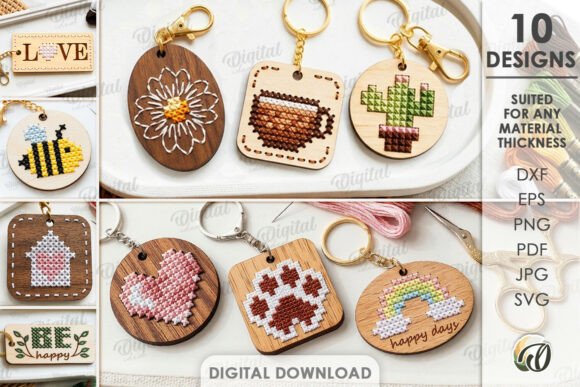
If you're an embroidery designer or a handmade gift creator, you know the import...
Keychains
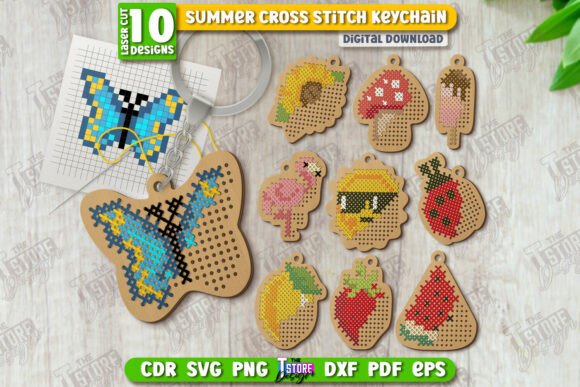
Aesthetic Appeal and Market Fit The Summer Cross Stitch Keychains Laser Cut desi...
Back To School
If you're an embroidery designer or handmade product seller preparing for a craf...
Illustrations
First Impressions: Bold and Elegant with a Modern Twist As an experienced embroi...
Sports
As an experienced embroidery designer, I always look for digital embroidery file...
