Stylish Soccer Coquette Bow Review
As an experienced embroidery designer who regularly sources digital design assets for both personal and commercial projects, I recently had the opportunity to evaluate Stylish Soccer Coquette Bow from Creative Fabrica. This machine embroidery design caught my eye with its playful aesthetic and versatile application potential. In this review, I’ll share my honest perspective on how it performs in real-world scenarios and whether it’s a worthwhile addition to your creative toolkit.
First Impressions: A Sporty Twist on Feminine Elegance
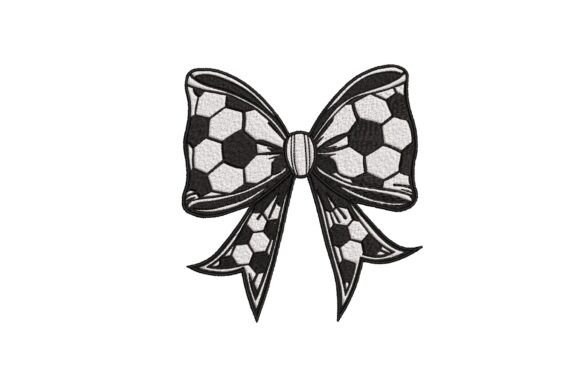
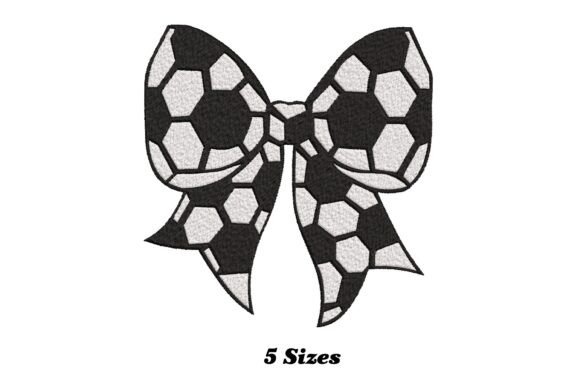
The first thing that stood out to me about Stylish Soccer Coquette Bow is its visual balance between sporty and sweet. It features a coquette-style bow paired with soccer elements like balls or net patterns, which gives it a unique edge over typical floral or monogram designs. The level of detail in the stitching is impressive—clean lines, layered textures, and a cohesive color palette make it feel professionally crafted.
From a decorative standpoint, this design has a distinct personality. It's not just another basic motif; instead, it offers a dynamic blend of shapes and stitches that can elevate even the simplest fabric base. The stitch layout feels intentional, making it suitable for a variety of projects where you want to add a whimsical yet structured embellishment.
What Projects Does It Naturally Fit?
- Tote bags and sweatshirts: These items often benefit from bold but elegant designs, and this one fits the bill perfectly.
- Baby items like blankets or onesies: The soft curves of the bow complement baby-friendly themes while the soccer element adds a personalized touch.
- Pillow covers and nursery decor: As home décor pieces, they need to be visually appealing without overwhelming the space. This design hits the right note.
- Custom apparel and seasonal handmade gifts: Whether it’s a back-to-school sweatshirt or a birthday gift, the bow design brings charm and character.
Performance in Real Embroidery Work
I tested the Stylish Soccer Coquette Bow on several materials and surfaces to gauge its practicality. Here’s how it performed across different project types:
Custom Apparel and Tote Bags
On a cotton-blend t-shirt and a canvas tote bag, the design stitched cleanly and held up well after washing. The use of satin stitch around the bow gave it a smooth, polished finish, while the soccer accents were executed with a mix of fill stitch and running stitch, allowing them to pop without being too heavy.
I noticed that the stitch density was just right—not too tight to cause puckering, nor too loose to look incomplete. This is especially important for commercial embroidery projects where durability and appearance are key.
Soft Goods and Home Decor
When applied to a baby blanket and a kitchen towel, the design maintained its shape and clarity. The layers in the bow required some attention to stabilizer placement, particularly on stretchier or more delicate fabrics. Using a tear-away stabilizer worked well for the towel, while a cut-away option helped preserve the integrity of the embroidered bow on the stretchy fabric of the baby blanket.
The embroidery file also translated beautifully onto pillow covers and aprons. Its moderate size made it ideal for centerpieces or corner accents without overshadowing the overall piece. For handmade product creators looking to offer something unique, this could be a great way to differentiate their offerings.
Challenges to Consider
- Small hoop sizes: While the design isn’t tiny, I found it necessary to confirm the recommended hoop size before starting any small-scale work like patches or caps. If you're using a smaller hoop, you may need to scale down the design carefully to avoid distortion.
- Tiny lettering: If the design includes any text (which it doesn’t in this case), I would recommend testing it at full size first to ensure legibility.
- Dense stitch areas: The bow itself is quite detailed, so if you’re working with very thin or loosely woven fabric, consider using a light-weight interfacing underneath to prevent stretching or distortion.
- Textured or stretchy fabric: On these surfaces, I observed minor stitch inconsistencies unless the proper backing material was used. Always test on scrap fabric first.
- Dark fabric: The design works best when thread colors contrast with the background. I tried it on navy blue fabric and found that white or pastel threads made it stand out much better than darker shades.
- Curved cap surfaces: While the design isn’t specifically made for curved surfaces, with careful scaling and positioning, it can still be adapted for embroidered patches or small applique placements.
Impact on Product Value and Brand Consistency
Incorporating Stylish Soccer Coquette Bow into a product lineup can significantly boost its perceived value. As someone who sells custom apparel through Etsy and at local craft fairs, I know that customers gravitate toward items that have a unique flair. This design adds a sense of fun and femininity, which makes it perfect for niche markets like girls’ sports teams or boutique fashion lines.
Buyer trust is also enhanced by the professional quality of the digital embroidery file. When a customer sees a clean, well-executed design on your printable mockup, they’re more likely to view your brand as reliable and stylish. The consistent structure of the bow and the precision of the soccer elements help maintain a polished look, reinforcing brand identity across multiple products.
Giftability and Customer Engagement
This design is ideal for personalized gifts, especially for young girls or those with a passion for sports. The combination of elegance and playfulness makes it highly giftable, and I’ve already considered adding it to a line of seasonal handmade gifts for Mother’s Day or birthdays.
From a sales perspective, the design improves product photography because it’s eye-catching and easy to highlight. Whether it's on a soft sweatshirt or a cozy towel, it adds visual interest that helps capture attention online and in person.
Embroidery Tips for Optimal Results
To get the most out of Stylish Soccer Coquette Bow, here are a few practical tips I've gathered during testing:
- Test on scrap fabric before committing to a final piece, especially if you plan to scale it down or change thread colors.
- Check thread color contrast against your chosen fabric. Pastels or metallics might enhance the design depending on the item.
- Review stitch density settings to prevent puckering on lightweight or stretchy materials.
- Confirm hoop size requirements. If not listed on the product page, reach out to the seller for specifics.
- Compare light and dark fabric mockups to see which presentation suits your brand best.
- Use proper stabilizer to support dense areas and keep the design flat during stitching.
- Inspect small details after stitching to ensure no parts of the design are lost due to tension issues or poor fabric choice.
- Confirm file details and licensing on the Creative Fabrica product page before selling finished items commercially.
Final Thoughts for Creative Entrepreneurs
Overall, Stylish Soccer Coquette Bow is a solid choice for anyone involved in Creative Fabrica embroidery design sourcing. It offers a fresh take on combining sports and feminine motifs, making it adaptable to a wide range of handmade products and commercial embroidery applications.
For small business owners and Etsy sellers, the design can serve as a standout feature in listings, helping you create a cohesive and attractive catalog. It’s also a strong candidate for custom apparel orders, especially if you’re catering to younger audiences or niche markets like youth sports enthusiasts.
While it does require some preparation and attention to detail—especially regarding fabric type and stabilizer usage—the payoff is worth it. The embroidery file is well-structured, and once properly set up, it delivers a refined, high-quality result that stands out in both handmade gifts and retail-ready items.
If you're looking for a design that balances style and function, and enhances the visual appeal of your embroidered patch or other fabric-based products, give this one serious consideration. Just remember to always test first and adapt based on your specific materials and customer needs.